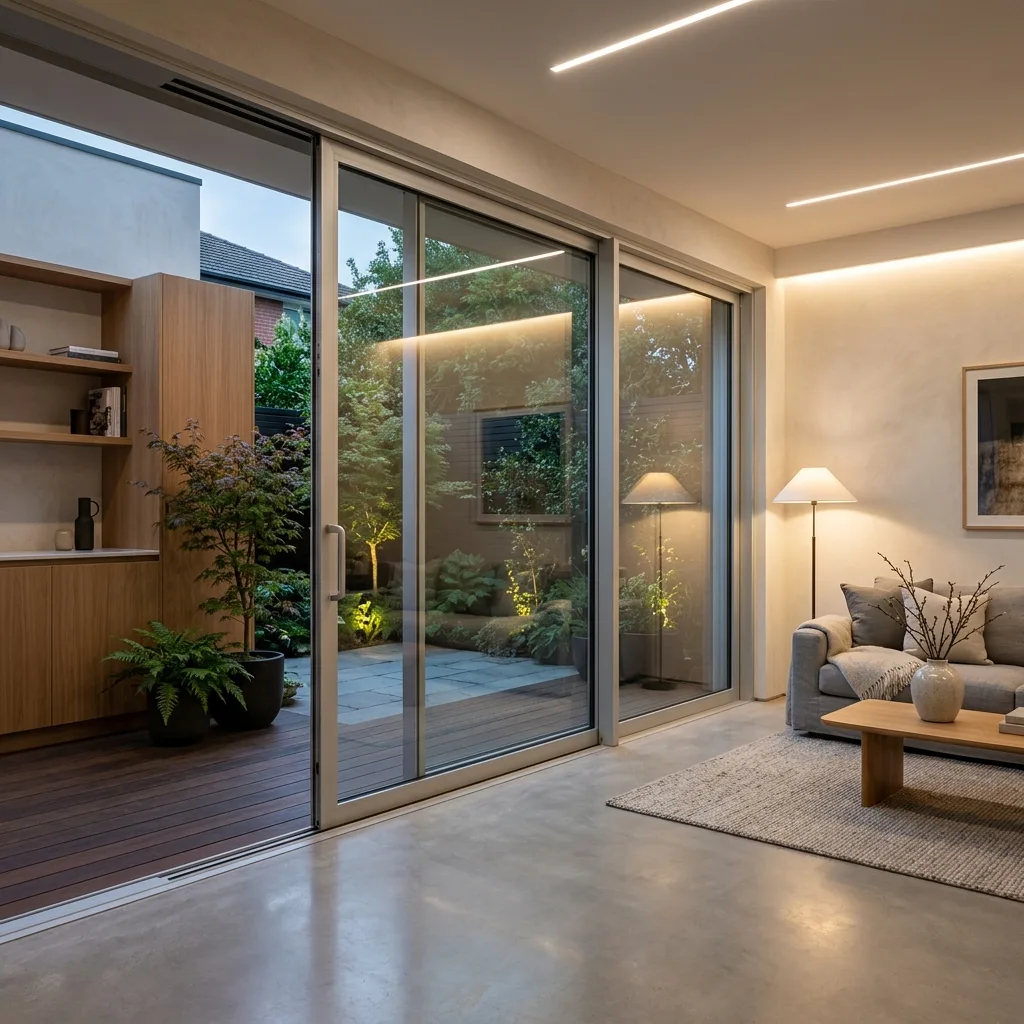
When constructing a new home or undertaking a major architectural renovation in Sialkot, Gujranwala, or Lahore, choosing between traditional solid wood and modern architectural aluminium for your doors and windows is one of your most consequential financial decisions. For generations, solid teak, deodar (diar), and sheesham were considered the benchmark of prestige. However, with shifting weather patterns in Pakistan—marked by blistering 46°C summer heatwaves followed by intense monsoon downpours—an increasing majority of homeowners are permanently transitioning to high-gauge powder-coated aluminium systems.
The Climate Challenge: Surviving Punjab’s Weather Extremes
Central and northern Punjab experiences one of the world's most aggressive climatic cycles for building envelopes. In May and June, relative humidity drops below 20% while outdoor surface temperatures soar above 50°C. Two months later, the monsoon arrives, pushing ambient humidity above 85% for weeks on end. Natural timber is a hygroscopic material—it constantly absorbs moisture from humid air and releases it in dry heat. This perpetual breathing causes wooden window frames and external doors to swell, jam, warp, and develop drafty air leaks around locking stiles.
Architectural aluminium, in contrast, exhibits zero hygroscopic movement. It does not swell in monsoon rain, shrink in dry summer heat, or lose its structural alignment. When fabricated with heavy-gauge profiles (1.6mm or 2.0mm structural sections) by experienced fabricators like Rahman Aluminium & Glass Works, an aluminium frame maintains razor-sharp tolerances and effortless gliding performance year after year.
1. Termite and Pest Resistance
Subterranean termites (deemak) pose a devastating threat to Pakistani properties, particularly in ground-floor rooms, garden boundary walls, and kitchen cabinetry. Even pre-treated timber doors often succumb after chemical soil barriers degrade over 3 to 5 years. Aluminium is 100% immune to termite infestation, woodboring beetles, and fungal rot. For exterior entrance doors, patio sliding tracks, and laundry room vents, aluminium delivers total peace of mind without requiring periodic toxic insecticide sprays.
2. Upfront Costs vs. 20-Year Lifecycle Expenses
A direct comparison reveals major lifecycle cost advantages:
- Initial Cost: High-grade solid deodar or seasoned teak doors currently cost Rs. 80,000 to Rs. 160,000+ per unit including seasoned wood, carpenter carving, polish, and brass hardware. Standard commercial aluminium doors range from Rs. 28,000 to Rs. 65,000 depending on gauge, double glazing, and finish.
- Ongoing Maintenance: Wooden exterior fixtures demand sanding, filling, and re-polishing or re-varnishing every 24 to 36 months to prevent sun bleaching and moisture ingress. Over 20 years, routine wood maintenance frequently exceeds the original purchase price. High-quality electrostatically powder-coated aluminium requires only a wipe down with soapy water twice a year to look brand new.
3. Acoustic Noise Insulation & Energy Efficiency
Old-fashioned single-glazed wooden windows leak air through perimeter gaps. By pairing high-precision aluminium frames with double-glazed acoustic insulated glass units (IGUs) separated by an airtight argon gas cavity, modern aluminium windows achieve sound attenuation up to 38 dB. If your home is situated along busy traffic corridors such as Paris Road, Kashmir Road, or Wazirabad Road in Sialkot, double-glazed aluminium windows will cut ambient street rumble by over 70%, creating quiet sanctuary interiors while reducing air conditioning power bills by 20% to 30%.
4. Aesthetics: Italian Woodgrain Coatings
A common historical objection to aluminium was its stark, industrial appearance. Today, that objection is entirely outdated. Through advanced vacuum heat-transfer sublimation, aluminium profiles can be coated with realistic Italian woodgrain finishes—including Golden Oak, Dark Walnut, Teak, and Ash. You achieve the visual warmth and organic grain of natural timber while enjoying the structural invulnerability, fire resistance, and security of heavy-gauge aluminium.
The Verdict: Where Should You Use Each Material?
For interior bedroom doors and decorative accent panels inside air-conditioned spaces, seasoned wood remains a viable choice. However, for all exterior envelope applications—including main entrance doors, balcony sliders, boundary wall windows, bathroom vents, and kitchen partitions—architectural aluminium is demonstrably superior in durability, maintenance cost, weather resistance, and security.
Consult Master Rahman for Your Sialkot Project
Looking to upgrade your property? Explore our dedicated architectural aluminium doors and soundproof window fabrication services. Contact Master Rahman on WhatsApp (+92 302 1054485) to book a complimentary laser measurement audit at your construction site.